
Uses existing parking
Managed outlets can often fit where long stay parking already exists.
Sustainability
Destination Charge supports EV travel by using lower power overnight charging at existing parking locations, reducing the need for drivers to make separate charging detours after they arrive.
Managed outlets can often fit where long stay parking already exists.
The system is designed for parked vehicles, not quick top ups.
Overnight charging can align with periods when vehicles are parked and demand may be lower.
Many overnight stay situations do not need large, expensive high power chargers.
More overnight charging options can support regional and rural EV trips.
Charging where people already stay can avoid unnecessary fast charger trips after arrival.
Estimated impact example
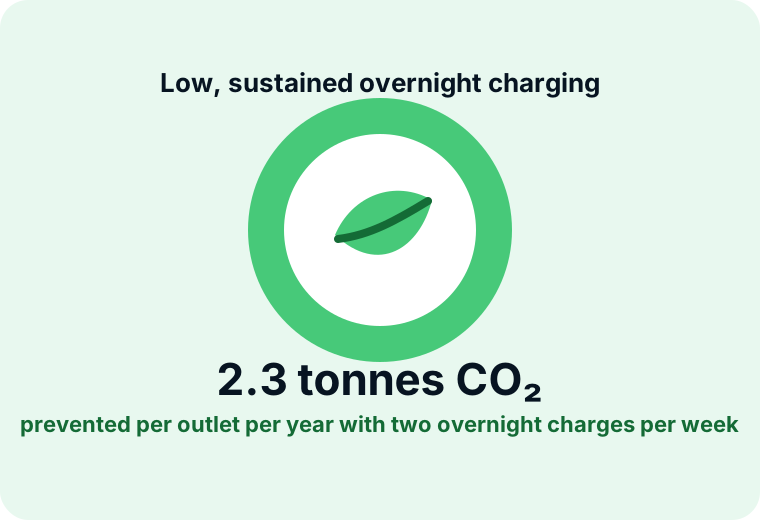
With two overnight charges per week, one Destination Charge outlet can prevent an estimated 2.3 tonnes of CO2 emissions per year. Actual impact depends on vehicle type, electricity source, driver behaviour, and session usage.
Short answers about practical lower impact charging.
Destination Charge uses low, sustained overnight charging at existing parking locations, reducing unnecessary charging detours and avoiding large high-power hardware where overnight charging is enough.
With just two overnight charges per week, one Destination Charge outlet can prevent around 2.3 tonnes of CO2 emissions per year. Actual impact depends on vehicle type, electricity source, driver behaviour, and session usage.